
Manage employees, visitors, and vendors with a credential-based platform that tells you who entered, which door they used, and exactly when—all without a single physical key.
Every key you distribute is a credential you cannot reliably take back. An employee leaves. A contractor finishes the job. A vendor relationship ends. In each case, the key walks out the door with them—and unless you rekey the lock, that access remains open indefinitely.
For businesses with multiple entry points, multiple staff tiers, and regular contractor traffic, physical key management creates a persistent and compounding security problem. The access inventory grows with every hire and every vendor engagement. It never shrinks unless you actively pursue every key.
Commercial access control systems replace key management with a platform. Every authorized user has a credential tied to their identity—a proximity card, key fob, or mobile entry on their phone. When access needs to end, it ends remotely in seconds. When access needs to be restricted to specific hours or zones, that rule is set once and enforced automatically.
Every entry event is logged with the user, the door, and the timestamp. That audit trail is not a security feature in isolation—it is an operational record that supports HR decisions, compliance reviews, insurance documentation, and incident investigations.
Choosing the right commercial access control provider matters more than choosing the right hardware. The system is only as effective as the zone architecture behind it. A properly designed access control deployment starts with understanding how your business actually operates—which zones require different permission tiers, which shifts need time-based restrictions, which visitors require temporary credentials.
After installation, commercial access control requires minimal ongoing maintenance. Credential management is the primary ongoing task: enrolling new staff, deactivating departing employees, reviewing active credentials quarterly. Firmware updates are managed remotely. Physical hardware at high-use entry points benefits from annual inspection.
Issue, modify, or revoke access instantly—no locksmith, no rekeying, no uncertainty about who holds a working key.

Assign different access levels to different areas. Each employee accesses only what their role requires, during only the hours that make sense.
Every entry event is time-stamped and stored—a verifiable record that supports compliance reviews, HR documentation, and incident investigation.

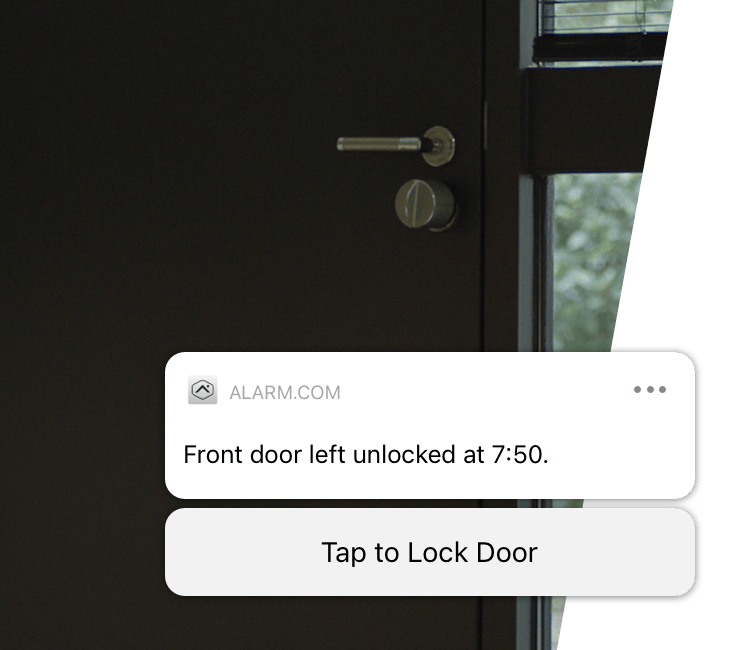
Grant temporary access, review logs, or lock down a zone from any device at any hour—without being on-site.
Elite Home Security serves commercial clients throughout Bel Air, Forest Hill, Fallston, Abingdon, Aberdeen, and the surrounding Harford County and Baltimore County markets. We understand the specific access control requirements of Harford County’s commercial landscape—from the professional offices and medical practices along MD-24 to the retail operations along Route 40 and the industrial corridors near I-95.
Our locally based installation team conducts on-site assessments for every commercial client before specifying any equipment. The access zone architecture, credential tiers, and notification routing are all configured to reflect the actual operations of your business—not a standard package applied without evaluation.
Immediately. From the management platform—accessible on any device—a credential is deactivated in seconds. No locksmith, no rekeying, no visit to the property required. The former employee’s access ends at the moment you confirm their departure, regardless of the time of day or your physical location.
Yes. Credential platforms support granular permission tiers—managers access all areas, staff access only their work zones, contractors access specific doors during specific hours, and visitors receive temporary credentials that expire automatically. Each tier is configured once and enforced consistently without any manual intervention per shift or per entry.
In most cases, yes. Standard commercial door configurations are compatible with credential reader retrofits without structural modification. We assess your existing hardware during the site visit and identify what can be integrated versus what requires updating. Retrofitting is almost always less expensive and less disruptive than full door replacement.
Commercial access control panels include battery backup that keeps the system operational during outages. Most panels maintain function for several hours. Fail-safe versus fail-secure configurations are set per door based on your security and egress requirements—we discuss and configure both during the design phase.