
Accurate detection. Real-time alerts. A system calibrated for your home’s specific layout and your household’s actual patterns—not a generic kit applied without evaluation.
Standard alarm packages are configured for an assumed home—a certain number of entry points, a standard occupancy pattern, a generic sensitivity setting applied uniformly. They are not configured for your home.
In Harford County residential properties—where households include pets, children, varying daily schedules, and older entry hardware prone to sensor drift—these default configurations generate false events consistently. The natural response is to reduce sensitivity until the alarm stops generating noise. That adjustment also means it stops detecting. The hardware remains installed. The protection disappears.
A properly installed alarm system for a Harford County home starts with a property assessment—not a package selection. Sensor type and placement are determined by the specific characteristics of each entry point and occupancy zone. Detection thresholds are calibrated for the household’s actual patterns, including pets, children’s activity, and seasonal variations in daily routine.
The result is a system that alerts you when something real is happening—not every time ambient household activity crosses a generic sensor threshold. That reliability is the foundation of genuine protection.
When evaluating alarm providers, ask specifically about their assessment process. A provider who quotes a sensor count without visiting your property is making coverage decisions for a property they have never seen. The placement decisions made at installation determine whether your alarm generates meaningful alerts or persistent noise—and those decisions cannot be made correctly from a catalog.
After installation, alarm systems require modest ongoing maintenance. Sensors should be tested annually to confirm they are communicating with the panel. Battery backup capacity should be verified. Professional monitoring contacts and notification routing should be reviewed whenever your household composition or primary contact changes.

Instant notification when any entry point is accessed—calibrated for the specific characteristics of each door and frame.

Properly positioned sensors that detect genuine intrusion activity without triggering on pets, children, or routine household movement.
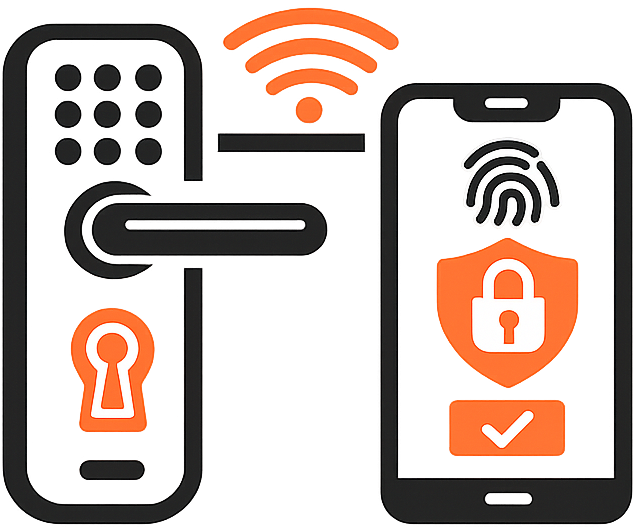
Notifications that reach you when something requires attention—not when ambient household activity crosses a generic threshold.
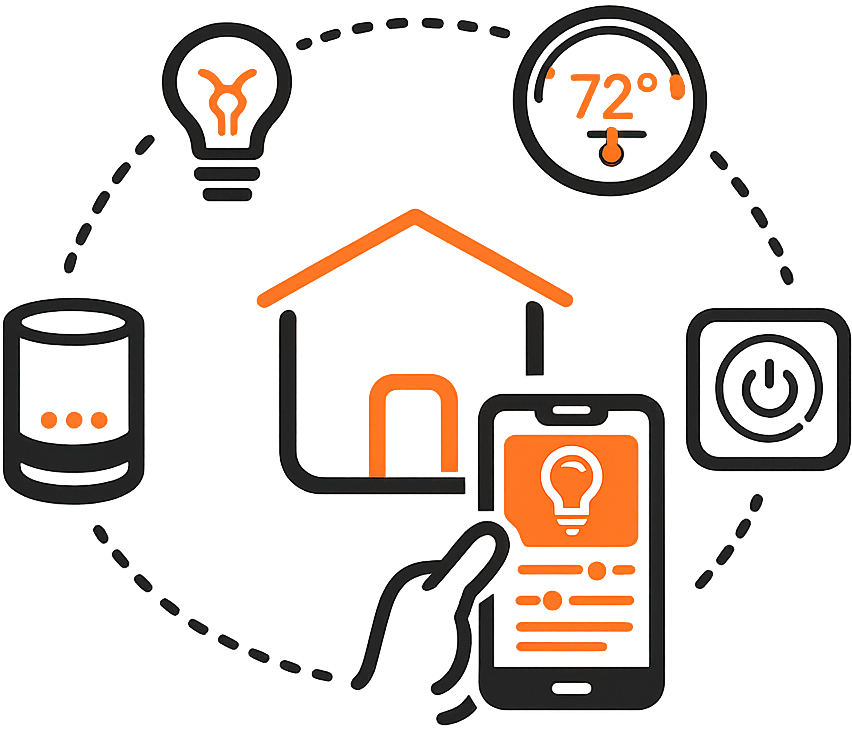
24/7 response by a licensed monitoring center when you cannot personally act on an event.
Elite Home Security installs alarm systems for homeowners throughout Bel Air, Forest Hill, Fallston, Abingdon, Aberdeen, and the surrounding Harford County and Baltimore County residential markets. We work across the full range of property types in this area—from single-family homes in established Bel Air neighborhoods to larger properties with multiple outbuildings in northern Harford County to active-family households near the Route 40 corridor.
Every alarm system we install is based on a property walkthrough. Sensor placement reflects what we observe at your specific home—not a standard diagram applied to every address. Our locally based installation team handles every project directly and stays accessible for calibration adjustments and support throughout the life of the system.
Sensor placement and calibration quality. We assess your home’s specific layout, entry point characteristics, and household patterns before placing any sensor. That assessment determines sensor type, position, and sensitivity threshold—decisions that directly determine whether your alarm generates useful alerts or persistent noise. Standard installations apply generic settings; ours reflect what we found at your specific property.
Yes. Professional 24/7 monitoring is available for all residential clients. When an alarm event occurs and you are unavailable to respond—traveling, sleeping, out of cellular range—the monitoring center follows your pre-set protocol: contacting your key holders and, when warranted, coordinating with emergency services. For households that experience extended absences, professional monitoring is the response layer that makes detection functionally complete.
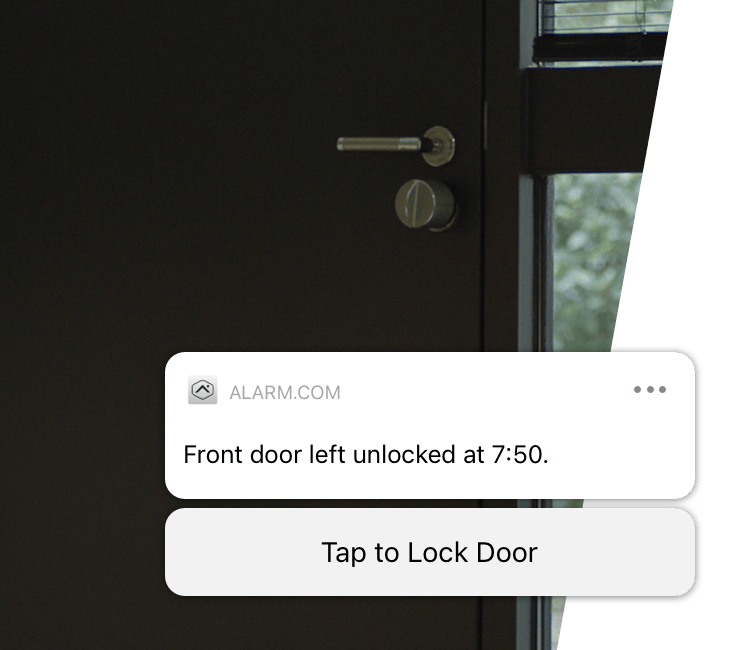
Yes. Alarm systems we install are designed to connect with cameras and smart locks so that detection events carry visual context and coordinated responses. When a sensor triggers, the associated camera captures it and the footage accompanies the alert. Lock engagement and alarm arming can be configured to operate together—so locking the door at night and arming the alarm become one action.
Sensor selection and placement. Pet-immune passive infrared sensors are positioned to detect human-height motion while ignoring activity near the floor. We also evaluate door and window sensor calibration for older frames that may trigger contacts without an actual intrusion. The calibration work happens at installation—not as a reactive adjustment after you experience repeated false events.