
High-definition cameras, placed based on site assessment, configured for smart motion alerts after hours, with secure footage storage and full remote access—commercial video surveillance designed to provide real evidence, not just recorded events.
The practical test of a commercial surveillance system arrives the moment you need to review footage. Are the cameras covering the zones that mattered? Is the resolution high enough to identify a person, a license plate, or a specific item? Can you export the clip for law enforcement or your insurance carrier without explaining why the image quality is insufficient?
A system that fails that test is not a surveillance system—it is recording equipment that creates a false sense of coverage. For Harford County businesses where incidents create operational, insurance, or legal consequences, the quality of the surveillance footage has real stakes.
Commercial surveillance placement decisions cannot be made correctly from a floor plan alone. The actual coverage requirements depend on the geometry of the space, the lighting conditions at different hours, the specific access points and high-value zones that require documentation, and the field-of-view characteristics of the cameras specified for each position.
A camera covering a checkout area in a high-traffic retail environment has different specification requirements than one covering a parking lot perimeter at night. Treating both positions with the same camera specification produces footage that works correctly at one and inadequately at the other.
Ongoing maintenance for commercial video surveillance involves several routine tasks that are easy to defer but meaningful to perform. Camera lenses accumulate dust and pollen on exterior installations—periodic cleaning maintains image clarity. Camera positions and fields of view should be verified annually to confirm that construction, signage changes, or seasonal vegetation have not created new blind spots. Storage utilization should be reviewed regularly to ensure footage is not being overwritten before the retention window expires.
Storage configuration is one of the most consequential decisions in a commercial surveillance installation. A system whose retention period does not match the window within which incidents are typically discovered and reported will fail to provide the documentation it was installed to produce. We specify storage capacity based on camera count, resolution settings, and the retention period your business actually requires—not a default assumption.

High-resolution cameras positioned based on site survey—covering the zones that actually matter, in the lighting conditions that actually exist.

Live and recorded footage from every camera, accessible from any device at any hour—without being on-site.

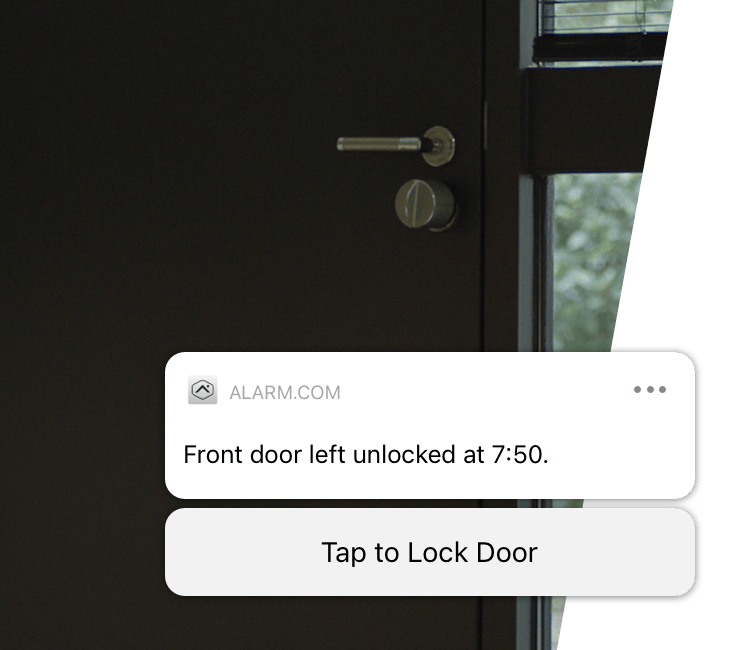
After-hours notifications for the zones you define—not for every passing car or ambient movement near the property.

Footage retained on a schedule matched to your operational and compliance requirements, with local and cloud options available.
Elite Home Security installs commercial video surveillance systems for businesses throughout Bel Air, Forest Hill, Fallston, Abingdon, Aberdeen, and the broader Harford County and Baltimore County commercial markets. We are familiar with the commercial property types across this region—the professional offices and medical practices of the Bel Air and MD-24 corridors, the high-volume retail and warehouse operations near Route 40 in Abingdon, and the industrial and defense-adjacent businesses near Aberdeen’s I-95 interchange.
Every commercial surveillance project begins with a site survey that evaluates the specific property—geometry, lighting, coverage priorities, and access patterns—before a single camera model or mounting position is specified. Our locally based installation team conducts every survey and installation directly. Camera placement decisions are made by people who have physically walked your property, not by someone working from a diagram.
Coverage zone priority and lighting condition analysis—together. Camera count is secondary to whether each camera is positioned and specified to deliver useful footage in the actual conditions at its installation site. A high-resolution camera positioned to capture a bright exterior wall because it was mounted before the sun angle was evaluated produces footage that looks professional and covers nothing useful. The site survey determines placement; the placement determines evidentiary value.
Standard configurations retain 30 days, which covers the window within which most commercial incidents are discovered and reported. Businesses with specific operational or compliance requirements—legal firms, medical practices, automotive businesses dealing with warranty disputes—benefit from extended retention. We calculate storage capacity based on camera count, resolution, recording schedule, and target retention period during the site survey so the system’s capacity matches what the business actually requires.
Yes. Commercial surveillance systems record to local storage by default—footage is captured regardless of internet connectivity. Remote viewing and smart alert delivery require connectivity, but recording continues during outages. For businesses where internet reliability is uncertain during extended closures, local storage ensures that footage is available even when the property has been unoccupied and without reliable internet access for an extended period.
Yes, and most commercial installations include both. Indoor cameras address accountability in customer-facing areas, staff-only zones, and restricted access areas. Outdoor cameras cover entry points, parking areas, loading docks, and perimeter boundaries. All cameras are part of the same system, accessible through the same remote viewing platform, and subject to the same alert configuration and retention settings. The site survey addresses every zone regardless of whether it is inside or outside the building envelope.